



Best Ages for Children’s Portraits
Childhood doesn’t move in big, obvious milestones. It unfolds quietly — in small changes, subtle expressions, and the way your child grows into themselves over time.
One day they fit perfectly into your arms.
The next, they’re running ahead of you.
And before you realize it, they’ve changed again.
Because these shifts happen so quickly, many parents begin to wonder when the “right” time is for children’s portraits.
The truth is, there isn’t one perfect age. Instead, there are a series of meaningful stages — each worth remembering in its own way.
Quick Answer: When Should You Book Children’s Portraits?
The best ages for children’s portraits are the stages where growth and personality noticeably change. Many families choose to update portraits every one to three years to capture these meaningful transitions.
Newborn Stage: The Beginning
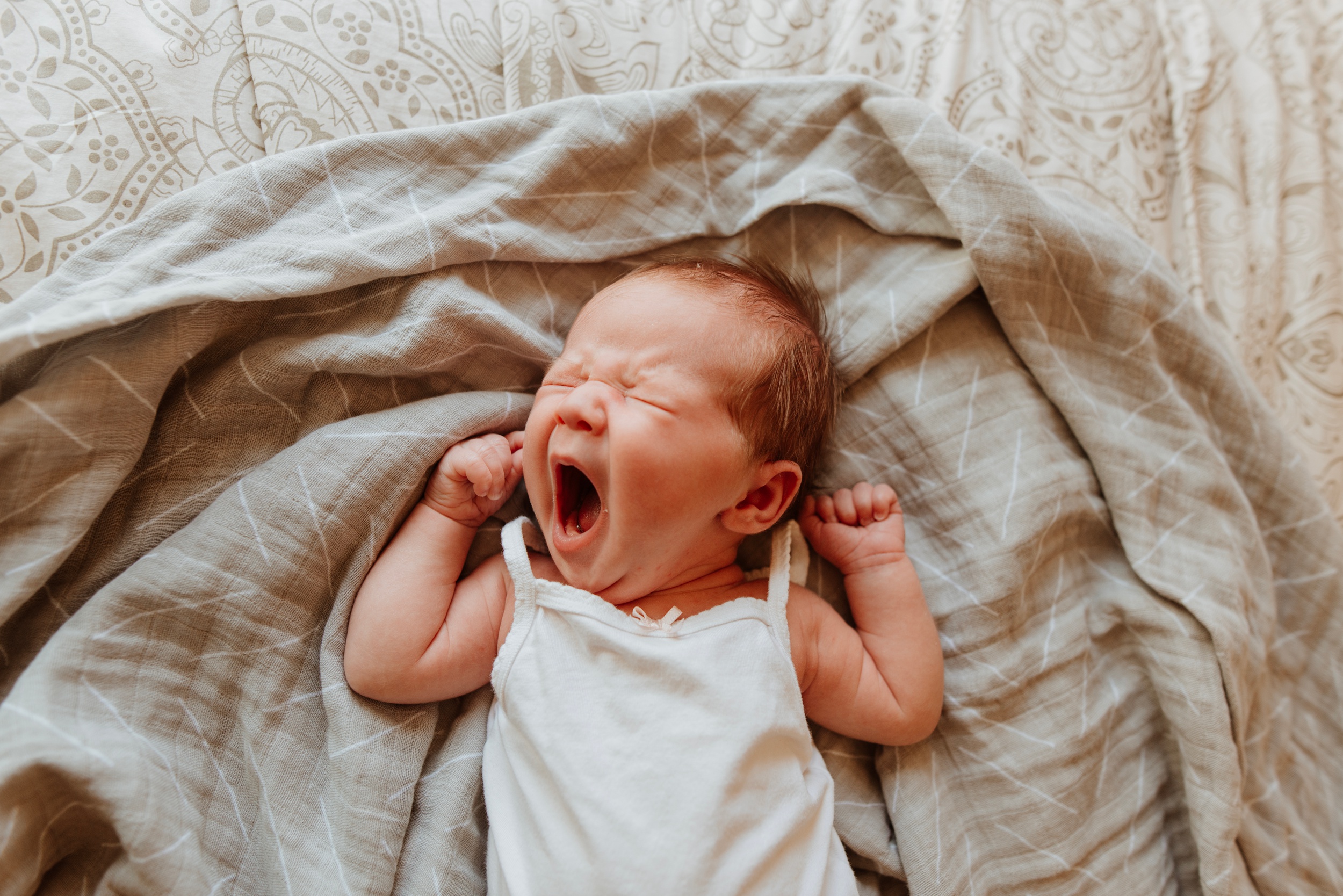
The earliest days are often the most fleeting.
Newborn portraits capture:
- tiny features
- curled-up movements
- early connection with parents
- the quiet stillness of those first weeks
At this stage, portraits feel soft and intimate. They preserve a time that passes quickly and is often difficult to remember in detail.
Sitting Stage: Around 6–9 Months
Once babies begin sitting independently, a new kind of personality emerges.
This stage is often filled with:
- curiosity
- wide-eyed expressions
- early smiles
- interaction with surroundings
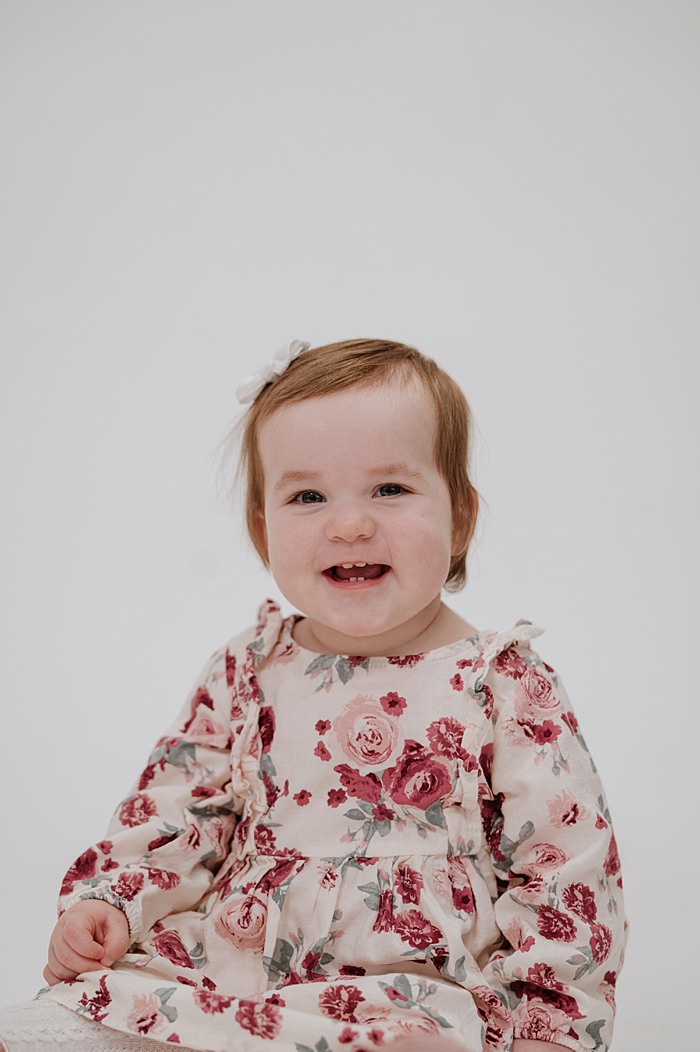
Children at this age are expressive but still contained, which makes it an ideal time for simple, natural portraits.
Toddler Stage: Movement and Personality
Toddlers bring a completely different energy.
They move.
They explore.
They test boundaries.
And most importantly, their personalities begin to shine.
While this stage can feel unpredictable, it often creates some of the most meaningful portraits. The key is allowing space for movement and natural interaction.
A family studio session in Vancouver can be especially helpful during this stage, as the calm environment supports connection without distraction.
Early Childhood: Ages 3–6
Between the ages of three and six, children begin to settle into themselves.
At this stage, portraits often capture:
- confidence
- imagination
- emotional expression
- connection with siblings
Children are able to engage more intentionally while still holding onto the softness of early childhood.
This stage is often one of the most cherished for portraits.
School-Age Years: Ages 6–10
As children grow older, their features begin to change more gradually. However, their personalities deepen in noticeable ways.
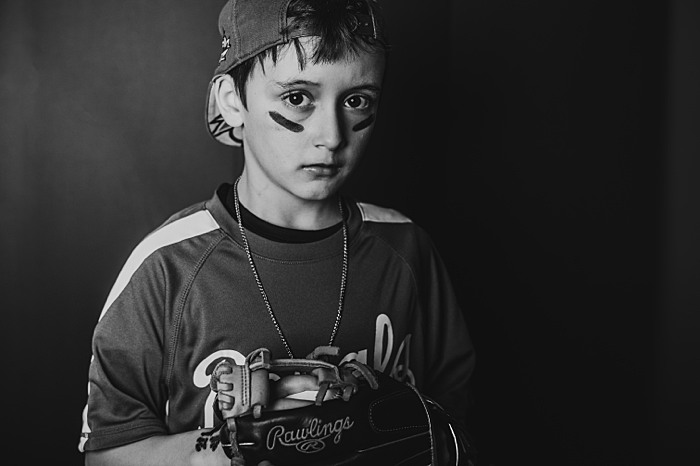
Portraits during this stage often reflect:
- independence
- curiosity
- developing identity
- stronger sibling relationships
While changes may feel less dramatic, this stage still holds meaningful transitions worth preserving.
Sibling Portraits: Every Stage Matters
Some of the most meaningful children’s portraits are not individual images, but those shared between siblings.
The way they stand together.
The way they laugh.
The way they interact.
These relationships evolve constantly, which is why many families update portraits every few years.
Over time, these images become a record of connection — not just growth.
Why Updating Portraits Every Few Years Matters
Children rarely stay the same for long. Even when changes feel subtle, they add up quickly.
Updating children’s portraits every two to three years allows families to:
- capture meaningful stages
- reflect current relationships
- build a visual timeline
- create cohesive wall art over time
If you’re wondering how often to refresh your images, this guide on updating family photos explains why many families follow a two-to-three-year rhythm.
The Role of Studio Portraits
Studio portraits work especially well for children because they remove distraction and allow personality to take centre stage.
With soft light and minimal backgrounds, the focus stays on:
- expression
- connection
- movement
- emotion
This simplicity helps portraits feel timeless — even as your child grows.
What Matters Most
While it’s helpful to understand different stages, the most important factor isn’t age.
It’s timing.
If you find yourself thinking:
“They’ve changed so much lately.”
That’s often the right moment.
There is no single “perfect” age for children’s portraits. Instead, there are many meaningful stages — each worth remembering in its own way. By capturing portraits every few years, you create a visual story of your child growing, changing, and becoming who they are. Over time, those images become more than photographs. They become part of your family’s history.
CATEGORY
Best Ages for Children’s Portraits
Begin Your Experience
Tell me a little about what you’re dreaming of, and I’ll guide you through the next steps.